The jasmine garlands from the wedding still hung dry and fragrant behind the bedroom door. Brittle, half-crumbled but defiant. Tara had meant to take them down. Every day for the past seven months.
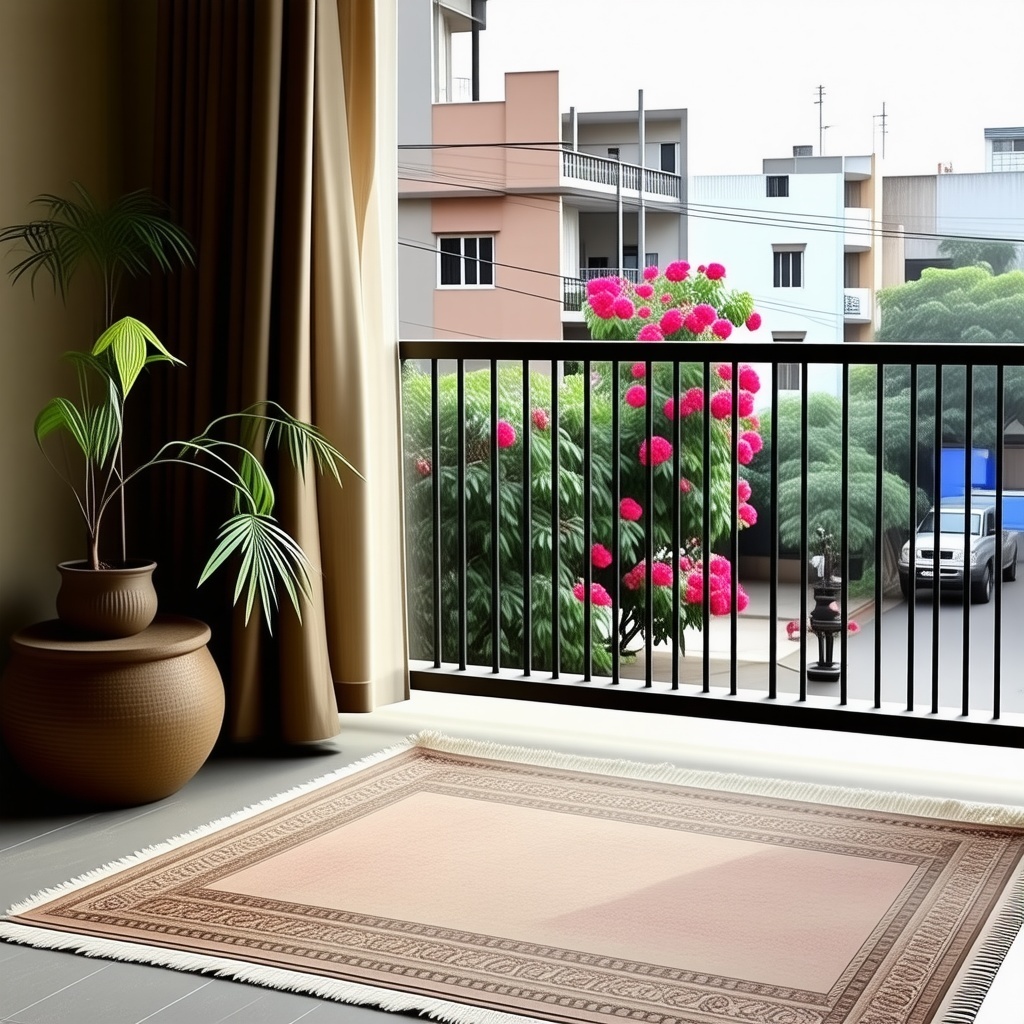
Their rented flat in Bangalore was modest. Two bedrooms, a faded rug from Fab India, and a small balcony that overlooked a street thick with cable wires and the occasional bougainvillea vine. Every morning, she stood there with a mug of chai, watching the same set of crows argue over the same dustbin lid. The sky was often smudged with grey that made you wonder if the day had even begun.
Behind her, the pressure cooker hissed and then sighed. Mihir was making lunch today. She heard him mutter something about too much turmeric under his breath.
She had once imagined married mornings differently. Like an old Hindi song playing softly in the background. This was more... static.
She didn’t know when the shift had begun. Or if it was a shift at all. Maybe it was just a slow turning that revealed itself once the noise of the wedding had died down. The lights. The music. The well-meaning elders speaking of forever like a kitchen appliance. Expected, functional, replaceable if necessary.
They had dated for three years. Friends first. The kind who’d finish each other’s sandwiches before sentences, ride Activas under pouring clouds just for tea, and know each other’s Spotify playlists by heart. The kind everyone called “made for each other.”
So when they finally got married, no one was surprised. Least of all Tara.
But she hadn’t expected the silence.
Not the angry kind. There were no slammed doors, no passive aggression. No accusations flung like knives. The sort of gentle silence that grows in comfortable spaces. Like moss.
She watched Mihir through the kitchen doorway. His back bent slightly as he tried to scoop burnt dal from the bottom of the cooker without scratching the steel. The kitchen smelled of turmeric, ghee, and the acrid sharpness of singed spices.
He’d taken over cooking more often lately. Tara hadn’t argued; she had simply stopped asking what he wanted for dinner.
They still loved each other. She was almost sure.
But something was... missing.
No, not missing. Muted.
As if someone had turned down the volume of their life, and neither of them had noticed until now.
***
The day she resigned was a Tuesday. The canteen had served pongal, and she’d spilt some on her saree. It resulted in a stiff, damp patch near the waist.
Her resignation letter was simple.
“Pursuing new opportunities for personal growth.”
She’d stared at the screen for twenty minutes before typing that sentence. Not because she didn’t know what to say but because the words were inadequate to capture the truth.
The truth was that she no longer cared.
The quarterly reviews, the client decks, the standing ovations from the leadership team— they all felt like noise in a room she no longer wanted to be in.
She entered the meeting room with her laptop and resignation email. Her fingers hovered over the enter button longer than necessary before she finally sent it.
Her manager, a kind but exhausted woman in her forties, blinked at her slowly.
“Are you sure? You’re due for a promotion.”
Tara nodded, smiling a rehearsed smile.
“I need to make space for other things.”
She didn’t know what those other things were. Only that every morning, she woke up with a dull ache in her chest, the kind that no yoga or gratitude journaling could fix.
That ache had become a rhythm she wanted to break.
That day, she left the office early without saying goodbye to anyone. Then took the longer road home. It made her feel she had a choice. The rain began to fall. A light, persistent drizzle that didn’t ask for an umbrella but left you soaked anyway.
She let it happen.
When she got home, Mihir didn’t ask why she looked like a dripping rag. He just handed her a towel and said, “Sit. I’ll heat up the rasam.”
She almost cried at that. But didn’t.
***
Her phone buzzed one afternoon. It was Aanya, her college roommate.
“Bangalore trip postponed. Dad unwell. Raincheck?”
Tara stared at the screen before typing, “Hope he recovers soon,” adding a heart emoji. She deleted the heart before sending the message.
She hadn’t told Aanya yet. No one knew except Mihir. That she’d quit her job three weeks ago, and didn’t know what to do next.
In the evening, they visited Mihir’s parents. His mother made thick filter coffee with sugar and fussed about the weather. His father tried to explain the stock market crash.
Tara nodded in the right places. Bit into a murukku and let the crunch fill her ears.
Her mother-in-law complained that Mihir had lost weight and blamed Tara’s cooking.
Tara smiled. “We take turns now.”
“Ah,” came the reply.
Mihir instinctively put his arm around her shoulder. She didn’t resist.
They were quiet on the drive home, listening to Kishore Kumar’s voice playing on the radio.
“I miss our fights,” Tara said suddenly.
Mihir raised an eyebrow. “What?”
“Our arguments. About dumb things. Like the time you said Upma is better than Poha, and I didn’t talk to you for two days.”
He grinned. “You’re still wrong about that, by the way.”
She laughed, but the sound was hollow. She was trying. Wasn’t she?
***
She found herself near her old office building the next day. The glass facade still gleamed, indifferent. Outside the next-door bookstore, a boy no older than twelve sat sketching in a frayed notebook with chalk-smudged fingers. Something about his focus made her pause.
“Can I see?” she asked.
He hesitated before turning the page.
It was a drawing of a girl on a bicycle. Her hair flew behind her like a flag. No background. Just motion.
“That’s beautiful,” she said.
He looked down. “She’s going somewhere.”
“Where?”
“Anywhere.”
She wanted to sit on the pavement and ask him what that meant. Instead, she walked into the bookstore and bought herself a blank journal that smelled of fresh paper and possibilities.
***
In the days that followed, she wrote. Not essays or lists or career plans. Just thoughts. Memories. Imaginings. Questions.
She wrote about the girl she once was. The version from college who had worn oxidised earrings, danced barefoot in the rain and scribbled poetry on café napkins.
She wrote about the woman she once wanted to become. The one who wished to backpack to Skikkhim alone and take terrible photographs that no one else would understand.
She wrote about Mihir. The way he mumbled in his sleep, always ending up on her side of the bed by dawn. About the time he baked a cake that collapsed in the middle but served it anyway with a cherry on top, as if defiance could salvage dessert. He muttered while reading, and always left one bite of food on his plate because his mother said it was good manners.
She wrote about the word “forever” and how nobody explained what came after it. The word now felt less like a promise and more like a question.
Mihir found the journal on the dining table one evening. He didn’t read it. But he turned it over in his hands slowly.
“You okay?” he asked.
“I don’t know,” she said.
He didn’t rush to offer a platitude. Or brushed it off as a joke. He just sat beside her and held her hand.
They stayed that way for a long time.
***
The next morning, Tara woke up before sunrise. The flat was still, and the curtains breathed slowly in the breeze. Mihir was still asleep.
She slipped into jeans, tied her hair in a loose braid, and tiptoed to the door.
The streets were damp from a drizzle. She wheeled out her bicycle, the one she’d bought in a fit of nostalgia and hadn’t touched in months, and pedalled down the road. A sleeping dog lifted its head as she passed. The temple bells tinkled. Chai stalls were just setting up, the smell of ginger and toast curling through the air.
The wind tugged at her braid. She laughed out loud. No one heard.
She stopped at the red light near the park and looked back.
For a moment, it felt like a fairytale paused mid-sentence.
There was no thunderclap. No epiphany.
Just a slow knowing.
***
She returned home with mud in her shoes and a smile in her heart. Mihir was in the kitchen, burning toast.
He handed her a cup of terrible instant coffee.
“You didn’t ask where I went,” she said.
“I figured you needed to go.”
She hesitated. “And if I hadn’t come back?”
He looked at her, eyes tired but soft.
“Then I’d wait.”
Tara looked at him for some time. The silence between them spoke louder than words.
That night, she pinned a new jasmine garland behind the bedroom door.
Even things that crumble can carry fragrance.






 React
React