Dr. Harsh stepped off the train into the gray drizzle of Wayanad, his breath fogging slightly in the cold air. The city smelled like moss, smoke, and wet earth, and he welcomed it like a balm. A new hospital, a new job, a new nameplate outside his door. Everything about his life now felt intentionally sterile. No one here knew him. No one could trace the echoes of what had happened in Chennai.
He rented a colonial-era bungalow on the edge of the woods, with ivy strangling the windows and a creaky chimney that sometimes sighed in the middle of the night. His colleagues at Wayanad Central Hospital welcomed him with warm but distracted smiles. They were overworked and under-resourced, and he admired their grit. Harsh was appointed as the attending neurologist - a post vacant for nearly a year after the last doctor resigned abruptly and left town.
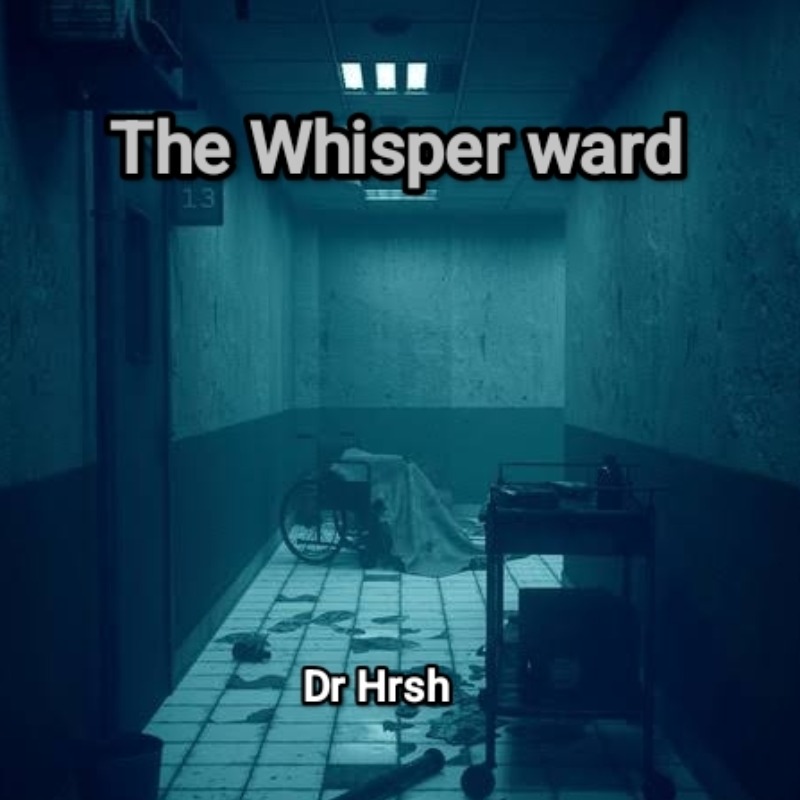
It was in the Whisper Ward—a nickname for the hospital's isolated neuropsychiatric wing—that things began to unravel.
The wing was a converted wing of an old missionary school, repurposed during a Tuberculosis epidemic. The locals believed it to be haunted. Nurses whispered about patients talking to invisible friends and knowing things they shouldn’t. Harsh, steeped in medical science, dismissed it all as superstition and untreated psychosis.
But the first patient changed his certainty.
Ravi Title: The Whisper Ward
Dr. Harsh stepped off the train into the gray drizzle of Wayanad, his breath fogging slightly in the cold air. The city smelled like moss, smoke, and wet earth, and he welcomed it like a balm. A new hospital, a new job, a new nameplate outside his door. Everything about his life now felt intentionally sterile. No one here knew him. No one could trace the echoes of what had happened in Chennai.
He rented a colonial-era bungalow on the edge of the woods, with ivy strangling the windows and a creaky chimney that sometimes sighed in the middle of the night. His colleagues at Wayanad Central Hospital welcomed him with warm but distracted smiles. They were overworked and under-resourced, and he admired their grit. Harsh was appointed as the attending neurologist—a post vacant for nearly a year after the last doctor resigned abruptly and left town.
It was in the Whisper Ward—a nickname for the hospital's isolated neuropsychiatric wing—that things began to unravel.
The wing was a converted wing of an old missionary school, repurposed during a TB epidemic. The locals believed it to be haunted. Nurses whispered about patients talking to invisible friends and knowing things they shouldn’t. Harsh, steeped in medical science, dismissed it all as superstition and untreated psychosis.
But the first patient changed his certainty.
Ravi Malakar was a man in his late 30s, brought in by his brother after he began drawing intricate maps of a city he’d never visited. The maps showed minute details of Chennai—roads, alleys, graffiti tags, even underground metro ducts. When Harsh questioned him, Ravi stared at him with bloodshot eyes and said:
"They told me you would come. You ran from the smoke, didn't you?"
He froze. It was a sentence from his past, whispered by someone he thought he had left behind forever. His hand clenched around his clipboard. He double-checked Ravi's records. No history of travel to Chennai. No psychiatric illness until two weeks ago.
That night, the chimney in his bungalow sighed again, but this time it sounded almost like a word.
"Harsh."
It was a mistake, surely. A wind echo, maybe. But it was the name he had stopped using.
He didn’t sleep.
Over the next week, more patients were admitted to the Whisper Ward. A teenage girl who spoke perfect Urdu poetry in her sleep—poetry written by Harsh’s late father. An old woman who scrawled medical diagrams of a failed surgery Harsh had attempted during his residency—a case he had buried in his transfer file.
Harsh began to feel watched. Files on his desk were rearranged. His prescriptions altered. Once, he found a note in his own handwriting: "You can’t heal others until you open your own wounds."
He started to doubt his sanity. Was he dissociating? Was his past uncoiling from his subconscious into his daily life?
Then came the child.
Six-year-old Dev was brought in after being found wandering in the woods, barefoot and mute. He had no name tag, no records, no family claiming him. But when Harsh entered his room, he looked up and whispered:
"I saw you in the fire. You were crying under the ceiling fan."
That broke him.
He knew exactly what the boy was referring to.
Years ago, during a chaotic night in Chennai, a fire broke out in the slum adjacent to the hospital where he interned. Harsh had made a triage decision. Two burn victims, one ventilator. He chose the younger one. The older woman died.
The son of that woman had followed him for weeks. Sent letters. Then, one night, he simply disappeared. Police called it suicide. He called it closure.
Until now.
He decided to investigate the Whisper Ward’s history. Archives revealed that the wing had once been a sanatorium run by Jesuit priests experimenting with sensory isolation therapy. The priests believed the human mind could channel collective memory when deprived of stimuli. They wrote of "the resonance of guilt" and "the convergence of memory-threads."
The ward, they claimed, could hear.
Harsh set up surveillance. Voice recorders, temperature sensors, even EEGs on willing patients. The data made no scientific sense. Brainwave patterns synchronized between unrelated patients. Recordings played backwards revealed whispers in multiple dialects. One whisper, always recurring, was his name.
He became obsessed. He stopped eating. Stopped going home. His colleagues grew concerned. The hospital board threatened suspension.
Then, one evening, Dev disappeared from his bed.
Frantic, Harsh ran through the hallways, only to find the door to the old therapy chamber ajar. Inside, the boy sat in the center of a chalk circle, surrounded by the old patient files—files that should have been locked.
"They said you can end it," he murmured.
"End what?"
"The echo. The guilt needs a name."
In the center of the room, the boy handed him a file. It was not hospital-issued. It was hand-bound. Inside: transcripts of every ethical violation he had ever considered, every error, every moment he had questioned himself. Things even he had forgotten.
On the last page was a photograph.
It was the boy from Chennai. The son.
He fell to his knees.
The lights blinked out.
When they came back, Dev was gone. So was the file.
No one believed him. The cameras showed nothing. The nurses said Dev had been discharged by his "uncle."
He checked himself into the Whisper Ward voluntarily, under a pseudonym. He wanted to find the end of the echo. To make amends.
But his notes remain, meticulously detailed, hidden in the baseboard of Room 3B.
No one has dared move into that room since.
And sometimes, late at night, the chimney sighs.
"Harsh."
was a man in his late 30s, brought in by his brother after he began drawing intricate maps of a city he’d never visited. The maps showed minute details of Chennai—roads, alleys, graffiti tags, even underground metro ducts. When Harsh questioned him, Ravi stared at him with bloodshot eyes and said:
"They told me you would come. You ran from the smoke, didn't you?"
He froze. It was a sentence from his past, whispered by someone he thought he had left behind forever. His hand clenched around his clipboard. He double-checked Ravi's records. No history of travel to Chennai. No psychiatric illness until two weeks ago.
That night, the chimney in his bungalow sighed again, but this time it sounded almost like a word.
"Harsh."
It was a mistake, surely. A wind echo, maybe. But it was the name he had stopped using.
He didn’t sleep.
Over the next week, more patients were admitted to the Whisper Ward. A teenage girl who spoke perfect Urdu poetry in her sleep—poetry written by Harsh’s late father. An old woman who scrawled medical diagrams of a failed surgery Harsh had attempted during his residency—a case he had buried in his transfer file.
Harsh began to feel watched. Files on his desk were rearranged. His prescriptions altered. Once, he found a note in his own handwriting: "You can’t heal others until you open your own wounds."
He started to doubt his sanity. Was he dissociating? Was his past uncoiling from his subconscious into his daily life?
Then came the child.
Six-year-old Dev was brought in after being found wandering in the woods, barefoot and mute. He had no name tag, no records, no family claiming him. But when Harsh entered his room, he looked up and whispered:
"I saw you in the fire. You were crying under the ceiling fan."
That broke him.
He knew exactly what the boy was referring to.
Years ago, during a chaotic night in Chennai, a fire broke out in the slum adjacent to the hospital where he interned. Harsh had made a triage decision. Two burn victims, one ventilator. He chose the younger one. The older woman died.
The son of that woman had followed him for weeks. Sent letters. Then, one night, he simply disappeared. Police called it suicide. He called it closure.
Until now.
He decided to investigate the Whisper Ward’s history. Archives revealed that the wing had once been a sanatorium run by Jesuit priests experimenting with sensory isolation therapy. The priests believed the human mind could channel collective memory when deprived of stimuli. They wrote of "the resonance of guilt" and "the convergence of memory-threads."
The ward, they claimed, could hear.
Harsh set up surveillance. Voice recorders, temperature sensors, even EEGs on willing patients. The data made no scientific sense. Brainwave patterns synchronized between unrelated patients. Recordings played backwards revealed whispers in multiple dialects. One whisper, always recurring, was his name.
He became obsessed. He stopped eating. Stopped going home. His colleagues grew concerned. The hospital board threatened suspension.
Then, one evening, Dev disappeared from his bed.
Frantic, Harsh ran through the hallways, only to find the door to the old therapy chamber ajar. Inside, the boy sat in the center of a chalk circle, surrounded by the old patient files—files that should have been locked.
"They said you can end it," he murmured.
"End what?"
"The echo. The guilt needs a name."
In the center of the room, the boy handed him a file. It was not hospital-issued. It was hand-bound. Inside: transcripts of every ethical violation he had ever considered, every error, every moment he had questioned himself. Things even he had forgotten.
On the last page was a photograph.
It was the boy from Chennai. The son.
He fell to his knees.
The lights blinked out.
When they came back, Dev was gone. So was the file.
No one believed him. The cameras showed nothing. The nurses said Dev had been discharged by his "uncle."
He checked himself into the Whisper Ward voluntarily, under a pseudonym. He wanted to find the end of the echo. To make amends.
But his notes remain, meticulously detailed, hidden in the baseboard of Room 3B.
No one has dared move into that room since.
And sometimes, late at night, the chimney sighs.
"Harsh."