Ishita scrolled through line after line of code, her fingers moving over the keyboard with robotic precision. Another late night at the IT firm, another bug fix, another round of dull applause from her team. She was good at her job, no doubt. But passion? That was another story.
Because her real passion was something nobody around her understood. Farming.
It had started a couple of years ago when she’d visited her grandmother’s village during harvest season. The satisfaction of tilling soil, planting seeds, and watching life unfurl from the earth was unlike anything Ishita had ever experienced. It was a world so far removed from the sterile, fluorescent-lit offices she spent her days in.
Since then, the idea had grown in her mind like a seed pushing through hardened soil. She spent her weekends poring over agriculture journals, watching videos about organic farming, regenerative agriculture, vertical farming—whatever she could get her hands on.
But whenever she dared to speak her mind about it, the reactions were always the same.
“Farming? You?” Her colleagues would laugh. “Stick to coding, Ishita. Not everyone’s meant to grow potatoes.”
Even her parents were dismissive. “We spent so much on your engineering education, and now you want to grow vegetables?” her mother had ranted over the phone. “How will you survive without a proper job?”
But the ridicule only stoked her determination. Ishita wasn’t stupid. She knew it wouldn’t be easy. But the idea of spending her entire life trapped in a cubicle, coding away her best years, was worse.
So she did the unthinkable. She quit her job.
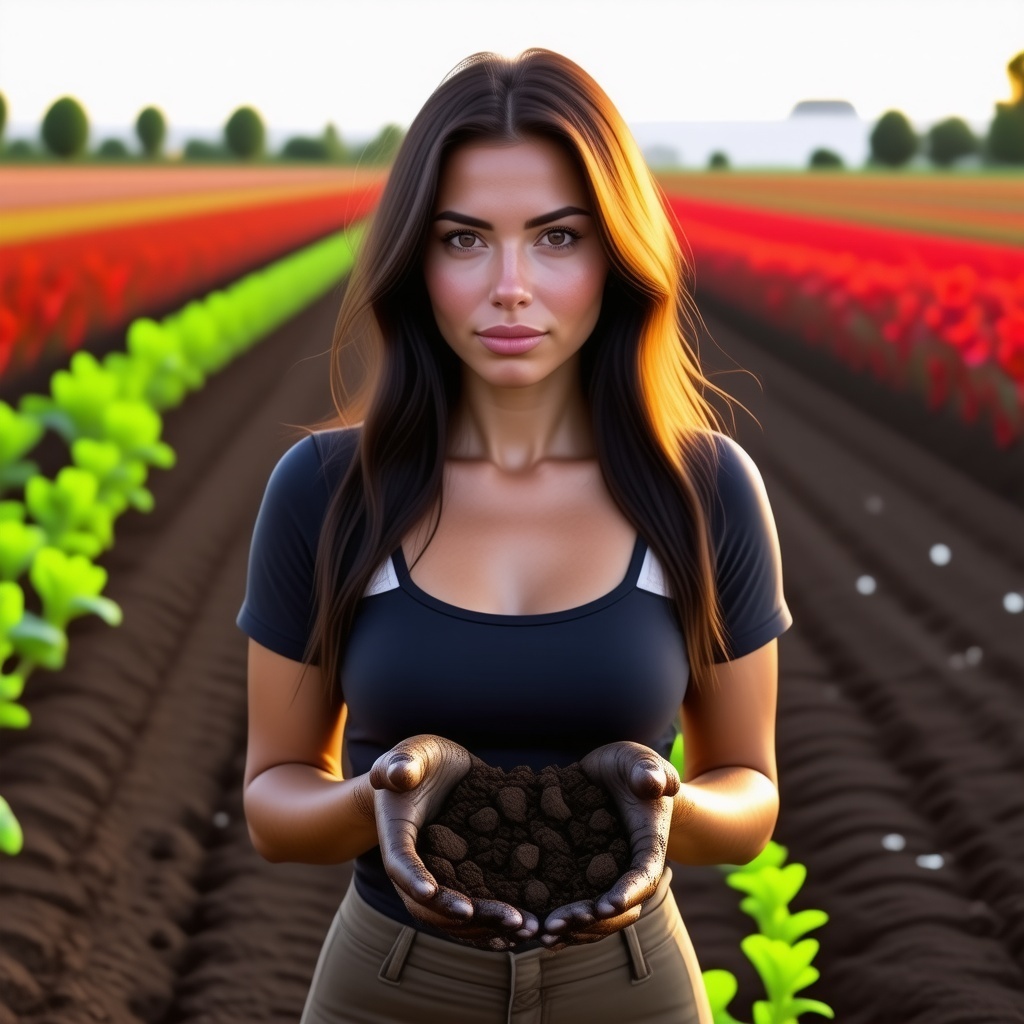
The first few months were brutal. She leased a small plot of land on the outskirts of Pune, where the soil was half-clay, half-rock, and all resistant. The locals watched with amusement and skepticism as the city girl with her smooth hands and awkward gait tried to tame the land.
Her first harvest was a disaster. The leafy greens she had so lovingly planted withered under the scorching sun. The few tomatoes that did sprout were sickly and shriveled.
“I told you, didn’t I? Farming isn’t for people like you,” the old man next door would say whenever he saw her struggling with a broken shovel or tangled irrigation line.
But Ishita kept going. She learned. She failed. She adapted.
She began experimenting with soil regeneration techniques, building natural composts, using bio-fertilizers, and applying the same analytical mindset she had used in software debugging to detect issues in her crops. She started incorporating modern irrigation systems and precision farming tools—concepts she was well-versed in from her IT days.
Still, her progress was slow. Her funds were drying up, and the weight of everyone’s mocking words pressed down on her shoulders like lead. There were days when she questioned her own sanity, when the sight of barren soil made her want to cry.
One day, while inspecting her now slightly better-looking spinach crop, she got an idea.
“What if I could marry technology with farming?”
She began designing a mobile app that would collect real-time data from sensors she set up around her field—soil moisture, temperature, humidity, pH levels. The app would then suggest exactly how much water, fertilizer, and care her crops needed.
Ishita spent sleepless nights coding, her fingers dancing over the keyboard with a newfound enthusiasm. But this time, it wasn’t for someone else’s project. It was for her own dream.
When she implemented the system, the results were beyond her wildest expectations. Her crops began to flourish. Leafy greens grew vibrantly, tomatoes swelled red and juicy, and even her strawberries bore fruit with a sweetness that surprised her.
Her success didn’t go unnoticed. Local farmers, the same ones who had sneered at her efforts, now approached her with curiosity. She could see the skepticism slowly being replaced by grudging respect.
“Can you teach us how you did this?” the old man next door asked one morning, his tone lacking its usual contempt.
Ishita smiled, the warmth of the sun kissing her cheeks. “Of course. But on one condition. You have to share your traditional knowledge with me too. Deal?”
The old man nodded, a smile breaking through his weathered face. “Deal.”
Her app, “FarmSync”, became a game-changer. It wasn’t just a tool; it was a bridge connecting the richness of traditional farming wisdom with the precision of modern technology. It allowed her to mentor other farmers, offering a blend of innovation and experience that was desperately needed.
It didn’t take long for the media to pick up her story. The headlines wrote themselves: “The Engineer Who Grew Her Dreams From The Soil.”
As her network grew, so did her influence. She was invited to conferences, interviewed on news channels, and even asked to develop her app into a full-scale enterprise.
But Ishita had no intention of leaving the soil. She had found her place. She had found her peace.
The day she returned to her parents’ home, she wasn’t the shy, uncertain girl who had left. She was someone who had fought for her dreams against all odds.
“Farming…” her mother had said, her tone laced with bitterness. “What did you even achieve, Ishita?”
Ishita handed her a newspaper, the headline blazing across the page. “Recognition. Respect. And something you’ve never understood, Ma. Fulfillment.”






 React
React