You cannot edit this Postr after publishing. Are you sure you want to Publish?
Experience reading like never before
Read in your favourite format - print, digital or both. The choice is yours.
Track the shipping status of your print orders.
Discuss with other readersSign in to continue reading.

"It was a wonderful experience interacting with you and appreciate the way you have planned and executed the whole publication process within the agreed timelines.”
Subrat SaurabhAuthor of Kuch Woh PalIndia’s courts are among the busiest in the world, yet justice often moves painfully slowly. Cases remain unresolved for years, sometimes decades, leaving ordinary citizens trapped in uncertainty, stress and rising legal costs. For many, the court system feels less like a path to justice and more like a long, unavoidable struggle.
This book explains why delays happen and what can be done to fix them. It looks closely at the major causes of pendency: shortage of judges, complex procedures, slow investigations, misuse of legal provisions, and intentional delays by litigants. It examines why property disputes take so long, why undertrials languish in jail, and why family cases often stretch across a large part of a person’s life.
The book also explores the role of technology in modernising justice. From digital courts and virtual hearings to AI-assisted research, case summarisation and early detection of frivolous filings, new tools are beginning to change how courts work. These developments, along with recent reforms such as the Mediation Act and the overhaul of criminal laws, show that improvement is possible.
Clear, concise, and based on real data and reports, this guide offers practical recommendations for faster, fairer courts. It is written for citizens, students, policymakers, and anyone who wants to understand how India’s justice system can be made more efficient and accessible.
It looks like you’ve already submitted a review for this book.
Write your review for this book (optional)
Review Deleted
Your review has been deleted and won’t appear on the book anymore.Siva Prasad Bose, Joy Bose
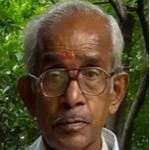
Siva Prasad Bose is a retired electrical engineer and writer of introductory guides on aspects of law in India. He is retired after many years of service in Uttar Pradesh Power Corporation Limited (UPPCL, formerly UPSEB). He received his engineering degree from Jadavpur University, Kolkata and has a law degree from Meerut University, Meerut. His interests lie in the fields of family law, civil law, law of contracts, and areas of law related to power electricity related issues.
Joy Bose is a data scientist and software engineer by profession.
India
Malaysia
Singapore
UAE
The items in your Cart will be deleted, click ok to proceed.