You cannot edit this Postr after publishing. Are you sure you want to Publish?
Experience reading like never before
Read in your favourite format - print, digital or both. The choice is yours.
Track the shipping status of your print orders.
Discuss with other readersSign in to continue reading.

"It was a wonderful experience interacting with you and appreciate the way you have planned and executed the whole publication process within the agreed timelines.”
Subrat SaurabhAuthor of Kuch Woh PalEvery cheque you sign, every promissory note you receive, and every bill of exchange in a business deal is a negotiable instrument — and misunderstanding them can be costly.
Negotiable instruments such as cheques, promissory notes, and bills of exchange form the backbone of financial transactions in India. Yet they are also among the most misused instruments in commerce, responsible for millions of dollars in financial fraud every year. Knowing how they work — and what the law says — can protect you.
In this accessible introduction, you will learn:
• What negotiable instruments are and how they differ from ordinary financial documents
• The key types: cheques, promissory notes, and bills of exchange — and the legal rules governing each
• The Negotiable Instruments Act 1881, its purpose, and its most important amendments
• The serious legal consequences of cheque dishonour under Section 138
• How modern developments such as electronic cheques and the Cheque Truncation System (CTS) are reshaping the landscape
• Real-world case studies illustrating how these laws apply in practice
Written in plain language for the general reader, this book is ideal for business owners, students, professionals, and anyone who regularly deals with cheques or financial instruments in India. No legal background is required.
It looks like you’ve already submitted a review for this book.
Write your review for this book (optional)
Review Deleted
Your review has been deleted and won’t appear on the book anymore.Siva Prasad Bose
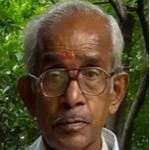
Siva Prasad Bose is an electrical engineer and writer of introductory guidebooks on Indian laws. He is currently retired after many years of service in Uttar Pradesh Power Corporation Limited (UPPCL, formerly UPSEB). He received his engineering degree from Jadavpur University, Kolkata and has a law degree from Meerut University, Meerut and a BSc degree from MMH University Ghaziabad. His interests lie in the fields of family law, civil law, law of contracts, and areas of law related to power electricity related issues.
India
Malaysia
Singapore
UAE
The items in your Cart will be deleted, click ok to proceed.